

Climate Change Is Driving a Massive Loss of World Heritage Sites
GLOGO® FUTURE IMPACT SCORE 4

Gold Mercury International Warns World Heritage Is Losing the Race Against Climate Change

By GLOGO® Editorial Team.
Published | 4th August 2026
GLOGO® INTELLIGENCE ALERTS
HERE’S WHAT TO KNOW
Climate change is now actively destroying World Heritage Sites — through accelerated erosion, drought, flooding, and the collapse of climate-dependent ecosystems — faster than global governance is protecting them. At the 48th session of UNESCO's World Heritage Committee in Busan, South Korea, delegates from 21 member states responded by adopting the Busan Declaration on World Heritage by consensus, naming climate change as one of the most urgent threats facing the world's cultural and natural treasures. The declaration is a serious governance attempt to close that gap — but it is a response to a crisis already in progress, not evidence the crisis is under control.
Rain is eroding stone built for a gentler climate. Drought is drying rivers that entire ecosystems depend on. World Heritage Sites are where climate change becomes visible.
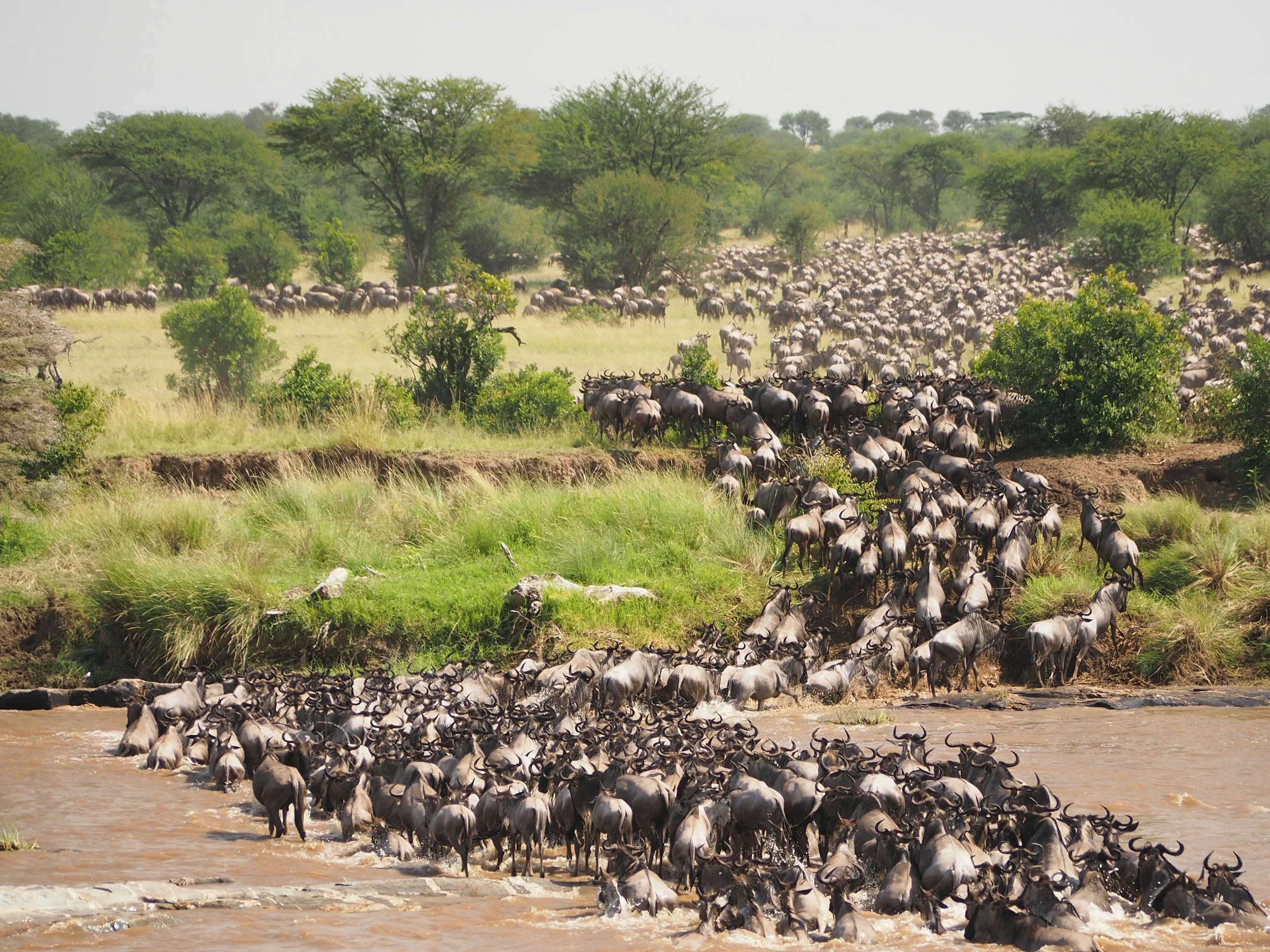
The Serengeti-Mara migration — is being altered faster than the international system built to protect it can adapt.
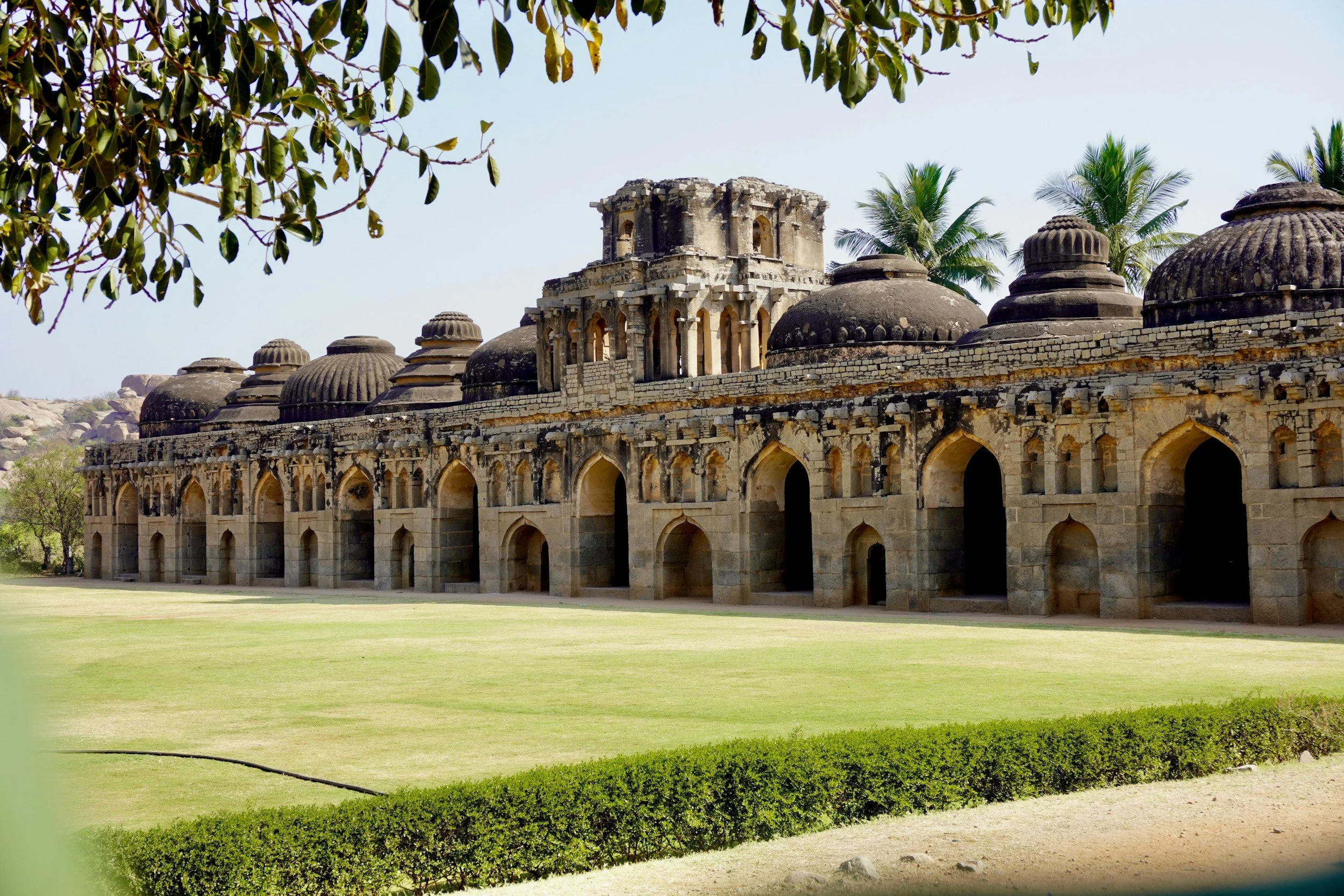
Elephant Stables (Gajashala) at Hampi, in Karnataka, India. UNESCO World Heritage Site since 1986.
BASIS FOR ISSUING THE GLOBAL GOVERNANCE ALERT
World Heritage Sites are not simply tourist landmarks — they are the physical record of what humanity has built, believed, and protected, inscribed by UNESCO because their value is judged to transcend national borders and generations. Losing one is not like losing a building that can be rebuilt. It is losing a fixed point in the shared story of how people and nature shaped each other over centuries — the very mechanism by which one era hands its memory to the next.
That handoff is now visibly breaking down under climate stress, and the evidence is architectural as much as environmental:
Rain is attacking stone built for a different climate. Structures engineered for centuries-old rainfall patterns are increasingly facing storms of a different intensity and frequency, accelerating erosion, water infiltration, and structural stress on materials never designed to absorb it.
Drought is doing the opposite kind of damage. Prolonged dry spells crack foundations, destabilize the ground beneath ancient structures, and — for natural sites — collapse the ecosystems that heritage status was meant to protect in the first place.
The Serengeti-Mara ecosystem shows both problems at once. The Great Migration, one of the natural world's defining spectacles, is fundamentally a response to rainfall: close to two million wildebeest and zebra move in search of rain-fed grass, following cues tuned over millennia. Rising temperatures and increasingly erratic rainfall are now scrambling those cues. Researchers tracking the ecosystem report more frequent, more severe droughts interspersed with unpredictable downpours, disorienting the herds and pushing them off traditional routes into greater danger from starvation and predation. The Mara River — the only year-round water source sustaining the migration through the dry season — is running lower than ever, weakened by drought, deforestation, and upstream development. When calving season, grassland health, and predator-prey balance all hinge on rain arriving on schedule, an erratic climate doesn't just inconvenience the migration — it threatens to unravel it.
The Busan Response
Adopted on 20 July 2026 at BEXCO in Busan, the Busan Declaration on World Heritage is the institutional answer to this pattern of loss. It elevates collaboration to a new core governance principle for the World Heritage Convention, framing international cooperation as essential — not optional — both to protect sites still standing and to support the recovery of those already damaged. Korea Heritage Service Administrator Huh Min summarized the reasoning directly: today's climate and conflict challenges cannot be solved by any single country acting alone.
The declaration also broke new ground by addressing the responsible use of digital technologies and AI in documenting and preserving heritage, and by embedding a principle of "shared responsibility" that formally links the fate of cultural and natural sites. Twelve follow-up projects were announced, including an annual Busan Forum where heritage officials worldwide will report on implementation — an attempt to turn a one-day statement into a standing accountability structure.
Why This Is Rated Dangerous Governance
This alert rates the underlying problem — climate change's impact on World Heritage Sites — not the Busan Declaration itself. The declaration is one governance response to a crisis, not the crisis, and it is judged separately on its own future merits as it is implemented.
Gold Mercury rates the underlying trend FUTURE IMPACT SCORE 4 | Dangerous Governance | Future Endangered because the damage is active, compounding, and in specific cases already irreversible: eroded stonework does not un-erode, a vanished glacier does not return, a river that has run dry for a generation does not simply refill on schedule. Sites and ecological rhythms — the Serengeti-Mara migration among them — are being altered faster than the international system built to protect them can adapt. That is a governance failure in progress, not a hypothetical risk.
It falls short of Status 5 | Fatal Governance because the global system of World Heritage protection has not yet crossed an irreversible, system-wide threshold — individual losses are mounting, but the trajectory for the roughly 1,200 sites on the List as a whole is not yet locked in. The fact that a genuine governance attempt like Busan exists, and that it elevates collaboration to a binding principle for the first time, is itself evidence the outcome remains contestable. Whether Busan and its follow-up mechanisms — including the planned Busan Forum — meaningfully change the trajectory, or simply document the loss as it happens, will determine whether this rating moves toward Status 5 or improves toward Status 3 in future alerts.
Protecting the Future: A Collective Responsibility
The logic underneath Busan is the same one every generation before this one understood instinctively: we are custodians, not owners. The cathedrals, reefs, savannas, and ruins we inherited were kept intact by people under no obligation to preserve them for us — they did it anyway, because stewardship was treated as a duty running both backward and forward through time. No single government, museum, or conservation body can hold back rising seas or shifting rainfall alone; protecting heritage under climate change requires exactly the kind of coordinated, cross-border commitment the Busan Declaration calls for.
This is also why World Heritage Sites make such a powerful entry point for the broader climate conversation. Emissions statistics are abstract. A cracking temple wall, or a river running dry beneath a migration route millions of animals depend on, is not. Heritage sites give climate change a face, a place, and a timeline — and a reason for people who don't yet think of themselves as climate-engaged to start paying attention.
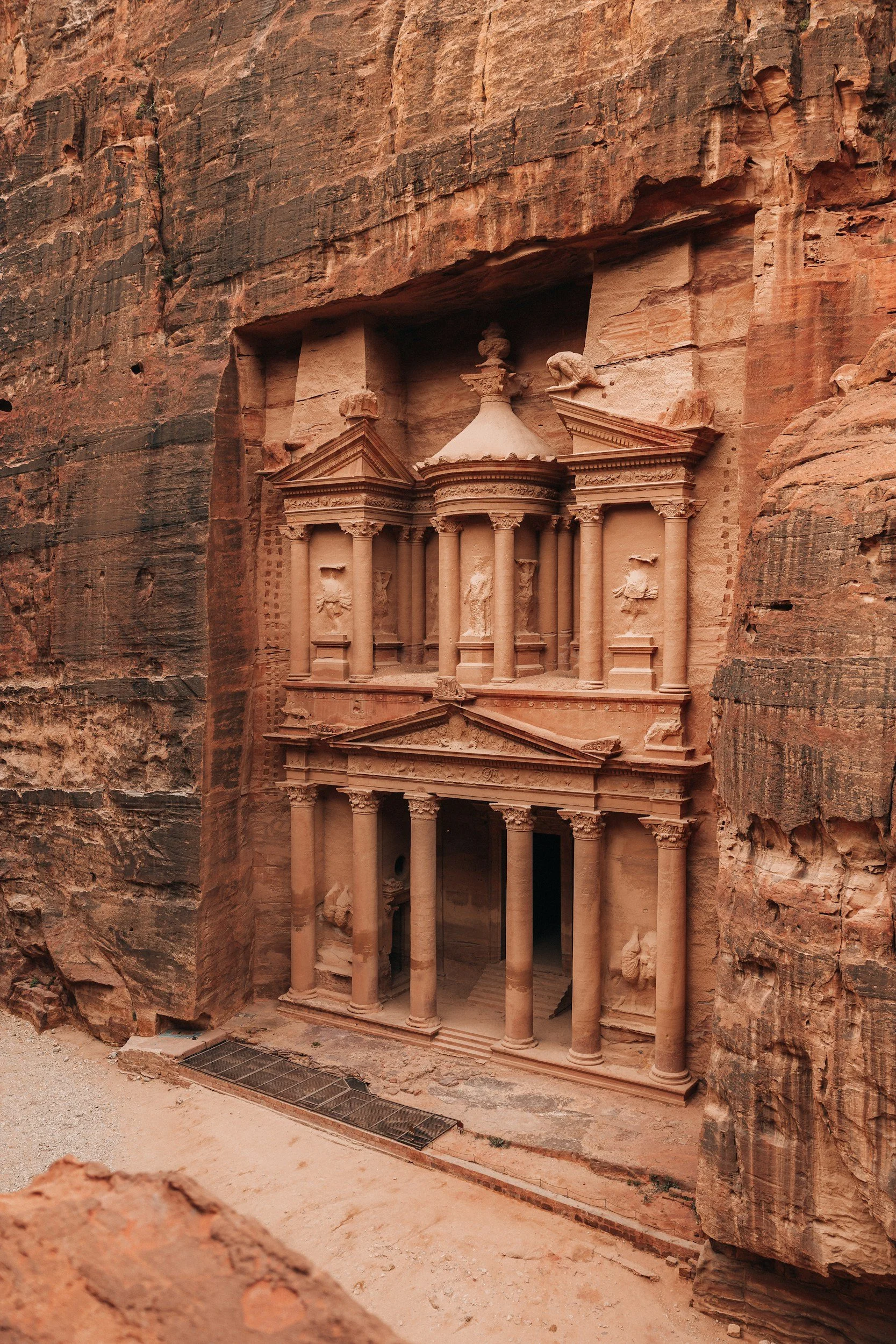
GEOLOCATION
There are currently 1,273 sites across 173 countries representing the most beautiful examples of culture and civilisation on earth.
ALERT GOVERNANCE PRECEDENTS
+ UNESCO World Heritage Convention (1972) — the founding treaty establishing the World Heritage List and its protections.
+ IUCN World Heritage Outlook — the leading assessment of climate and conservation risk to natural World Heritage sites.
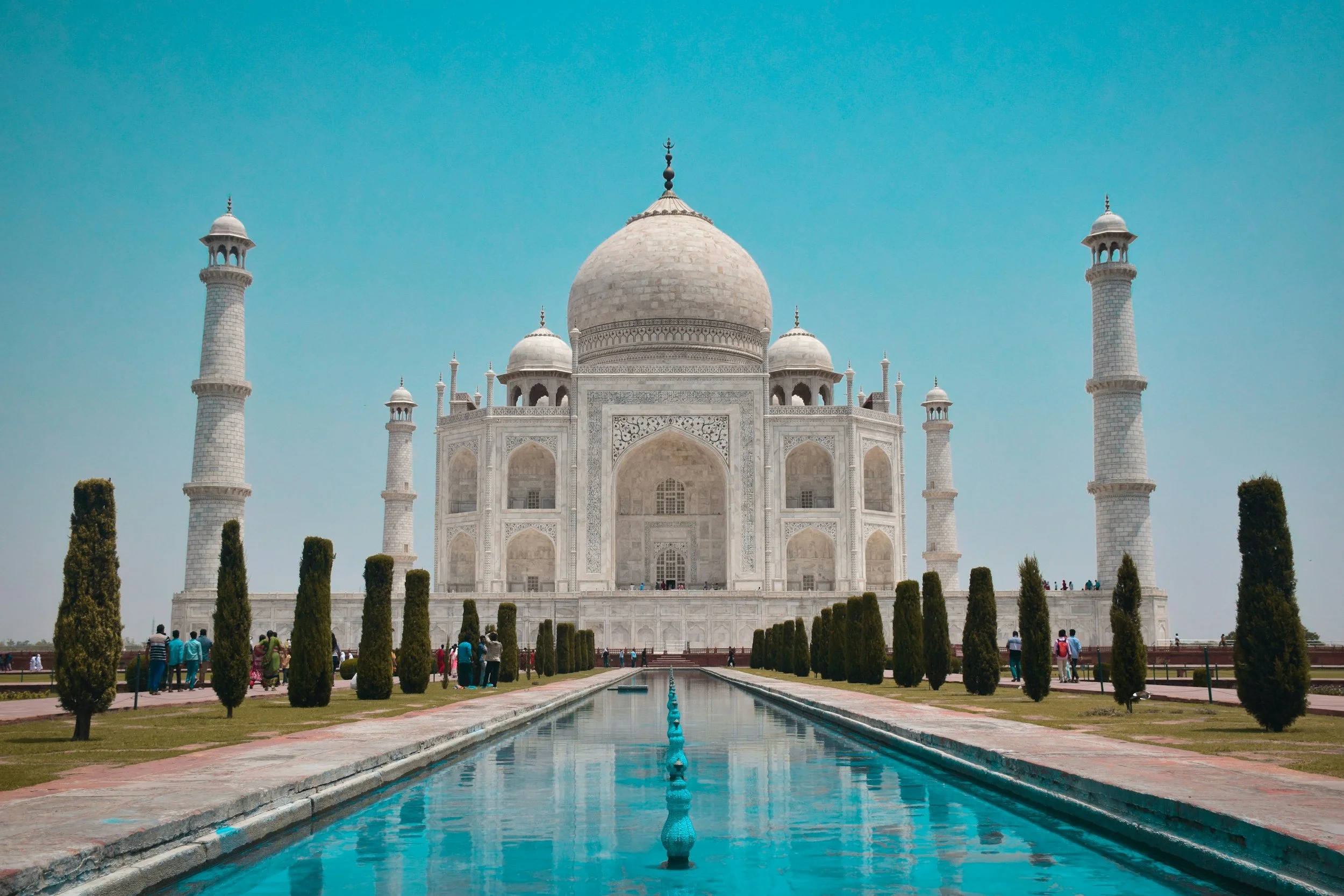
“The World Heritage Committee is no longer focused solely on the inscription and conservation of sites. Today’s challenges — from climate change to armed conflict — cannot be addressed by any one country alone.””
OTHER SOURCES
Gold Mercury | PROTECTORES FUTURI®