

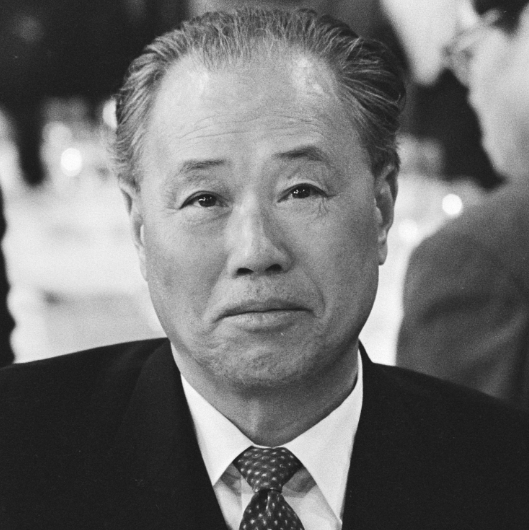
Zhao Ziyang
31st President of the people’s Republic of China.

Award Motivation
For the implementation of groundbreaking economic reforms in China and peaceful foreign policy objectives.

Peace Award details
H.E. Zhao Ziyang was presented with the 1984 Gold Mercury International Peace Award for his implementation of groundbreaking economic reforms, his peaceful international cooperation, and his efforts to combat corruption.
Zhao Ziyang began to play an active role in Chinese politics in 1932 when he joined the Communist Youth League, becoming a full member of the Communist Party in 1938. He achieved prominence as a Party leader in Guangdong during the early 1950s and initially supported Mao Zedong's Great Leap Forward. However, the devastating consequences of the campaign—including widespread famine and millions of deaths—led Zhao to embrace more moderate political and economic policies.
He became a leading advocate of pragmatic reform, supporting the reintroduction of limited private agriculture and commerce. By restoring private plots to farmers, he helped revitalise China's agricultural sector, laying the foundations for broader economic reform. In 1964, Zhao was appointed First Party Secretary of Guangdong Province but was removed from office during the Cultural Revolution because of his moderate political views.
Following his political rehabilitation, Zhao was appointed First Party Secretary of Sichuan Province in 1975. There, he introduced bold market-oriented reforms that dramatically increased agricultural output, industrial productivity and living standards. His success in Sichuan earned him national recognition, leading to his appointment to the Politburo in 1979 and as Premier of the People's Republic of China in 1980.
As Premier, Zhao oversaw the introduction of China's new "market socialist" and "open door" economic programme. His objective was to transform the socialist system through gradual economic reform while preserving political stability. He played a central role in establishing China's first Special Economic Zones, attracting foreign investment, expanding exports and helping lay the foundations for the country's extraordinary economic transformation.
It was this reform-minded leadership that led to his becoming a Gold Mercury International Peace Prize laureate in 1984.
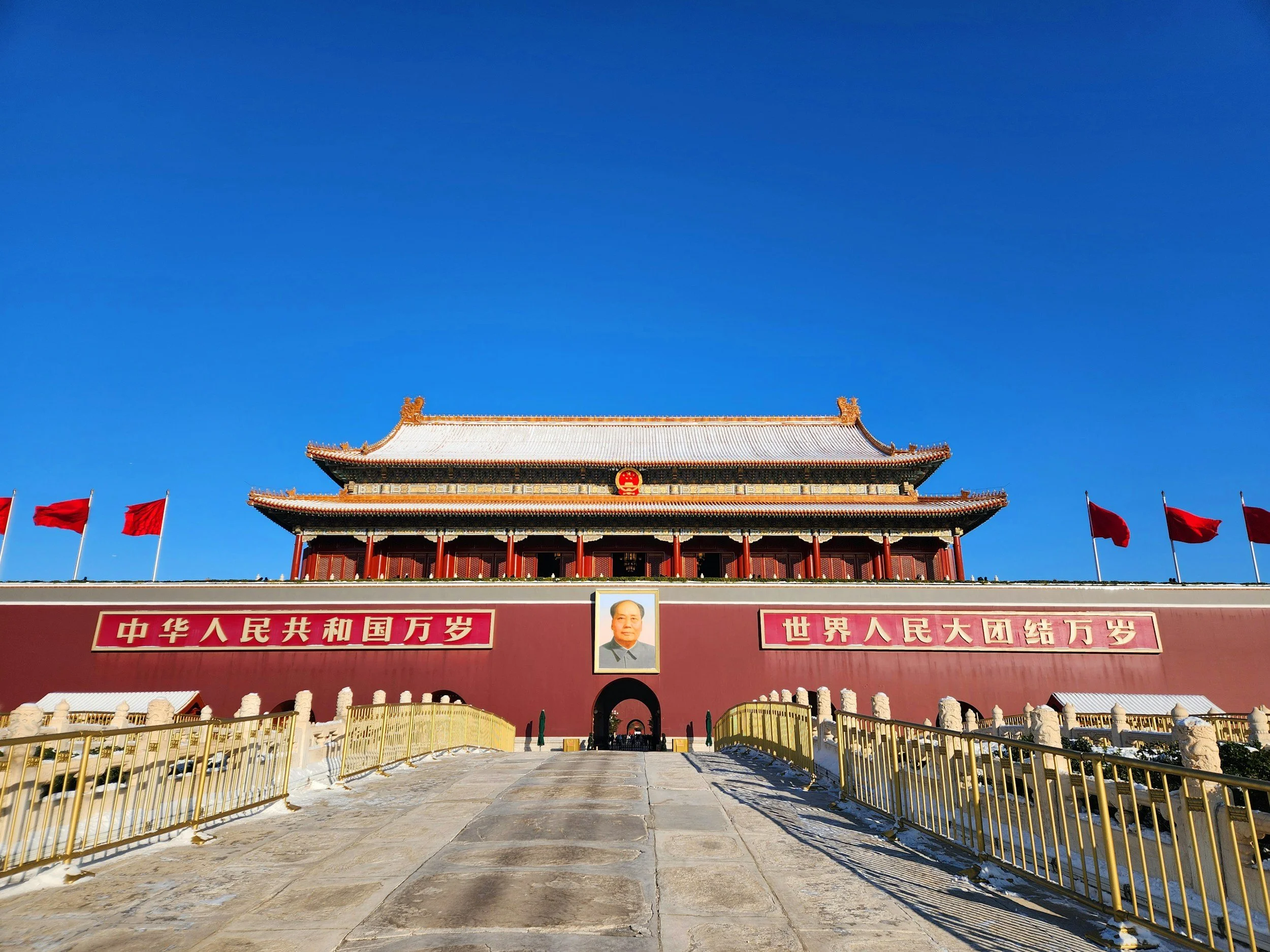
In 1987, Zhao became General Secretary of the Chinese Communist Party, where he continued to advocate economic reform and greater political openness. During the 1989 Tiananmen Square protests, Zhao opposed the use of military force against the student demonstrators and consistently called for dialogue and a peaceful resolution to the crisis. His opposition to the military crackdown led to his removal from office and decades of house arrest, where he remained until his death in 2005. His principled stand during the Tiananmen crisis cemented his legacy as one of China's foremost advocates of peaceful political and economic reform.